Strep­to­myces At­las

by Me­chas and Roberto

Most of the nat­ural prod­ucts in clin­i­cal use come from Acti­nobac­te­ria. Among the Acti­nobac­te­ria, soil Strep­to­myces species stand out as an in­valu­able source of bioac­tive mol­e­cules, such as an­tibi­otics, an­ti­fun­gals, an­ti­cancer agents, and im­muno­sup­pres­sants. In ad­di­tion to be­ing pro­lific pro­duc­ers of sec­ondary metabo­lites, these mi­crobes also have com­plex reg­u­la­tory sys­tems. 

As in so many ar­eas of bi­ol­ogy, ge­nomics has also be­come cen­tral to the study of Acti­nobac­te­ria. Since the com­ple­tion of the first genome of the model or­gan­ism Strep­to­myces coeli­color some 25 years ago, the num­ber of avail­able genomes and tools to an­a­lyze them has grown im­mensely. But more data also in­tro­duces new and greater chal­lenges. Among these is un­der­stand­ing how these mi­crobes, whose genomes con­tain large ar­rays of genes for nat­ural prod­ucts, reg­u­late and ex­press this in­for­ma­tion to op­ti­mize growth and metabo­lite pro­duc­tion. 

Which is why a new tool for as­sess­ing reg­u­la­tory net­works, Strep­TRN, is such a wel­come ad­di­tion to the field. Thanks to a col­lab­o­ra­tion among Wa­genin­gen Uni­ver­sity, DOE Joint Genome In­sti­tute, Lei­den Uni­ver­sity, and the Uni­ver­sity of Liege, re­searchers gen­er­ated a brows­able at­las of Strep­to­myces and re­lated actin­o­mycetes. The goal is to pro­vide re­searchers with a tool to ex­plore tran­scrip­tional con­trol, from genes to net­works, that may lead to new pre­dic­tions and a deeper un­der­stand­ing of Acti­nobac­te­r­ial bi­ol­ogy and me­tab­o­lism. 

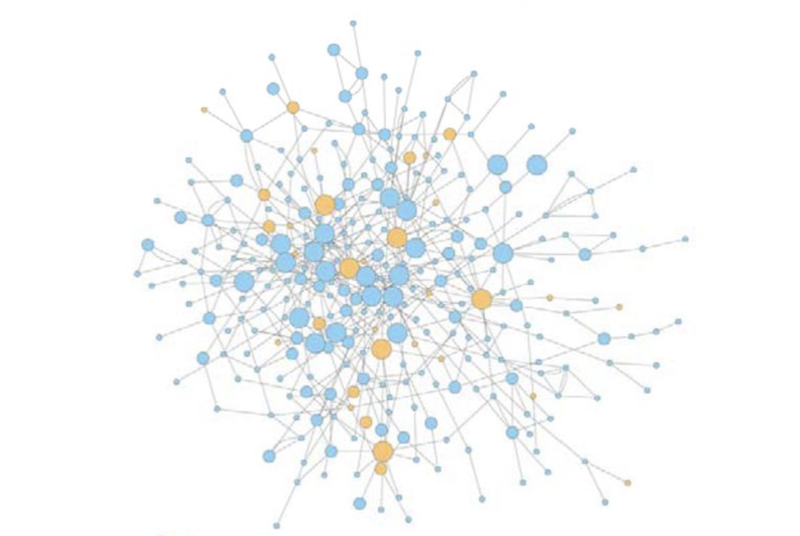
Reg­u­la­tory net­work of tran­scrip­tion fac­tor (TF) cross-reg­u­la­tion. Nodes rep­re­sent TFs; edges in­di­cate TF bind­ing sites (TF­BSs) iden­ti­fied up­stream of other TFs. Node size re­flects the num­ber of TF­BSs (small, medium, large), and or­ange nodes de­note TFs with pre­vi­ously char­ac­ter­ized bind­ing sites. Source

In the words of our close friend and se­nior au­thor Gilles van Wezel: the aim is for "Strep­TRN to serve the com­mu­nity in much the same way as StrepDB: as a brows­able, search­able en­try point for ex­plor­ing Strep­to­myces bi­ol­ogy, in this case fo­cused on reg­u­la­tory net­works."

What is best is that Strep­TRN is a com­mu­nity re­source, open for all to use, that will be con­tin­u­ously up­dated. We urge all those in­ter­ested to ex­plore this mar­velous on­line re­source in their search for an­swers re­gard­ing Acti­nobac­te­ria and, why not, per­haps the next promis­ing nat­ural prod­uct. 


We'd be de­lighted to hear from you! You can com­ment be­low, send us an email or reach us via Bluesky or Mastodon. Please sub­scribe to get email no­ti­fi­ca­tions of our new posts.

Other Posts

  • Hy­dropho­bic Se­ques­tra­tion

    Bio­sur­fac­tants Pro­duced by Mi­crobes Hi­jack Quo­rum Sens­ing in Com­peti­tors by Kalia Bis­to­las — What do your laun­dry de­ter­gent and hy­dro­car­bon-de­grad­ing ma­rine bac­te­ria have in com­mon? Not much, be­sides sur­fac­tants. These sub­stances lower the sur­face ten­sion be­tween sub­strates, tar­get­ing hy­dropho­bic mol­e­cules like the stain on your fa­vorite shirt or crude pe­tro­leum slicks in the Gulf of Mex­ico. In do­ing so, ...

  • The Genes, The Whole Genes, & Noth­ing But The Genes

    by Merry — We have come to ex­pect the un­ex­pected of cil­i­ates, and Oxytricha tri­fal­lax, with its ge­nomic ca­pers, does not dis­ap­point. Like many of its more fa­mous cil­i­ate rel­a­tives (e.g., para­me­cium, tetrahy­mena, sten­tor), Oxytricha is a com­plex uni­cel­lu­lar or­gan­ism with many spe­cial­ized cel­lu­lar struc­tures. Of course, they have the req­ui­site cilia for...

  • Teach­ers Cor­ner: Who bears the load?

    by Roberto — First, let me com­ment on the ti­tle I wrote. It should have read, what bears the load? Bet­ter yet, what part of the bac­te­r­ial cell en­ve­lope is the load-bear­ing com­po­nent? When­ever I taught bac­te­r­ial cell bi­ol­ogy I al­ways started by de­scrib­ing the com­po­nents of cell en­ve­lope, cy­to­plas­mic mem­brane, cell wall and, in the Gram-neg­a­tives, the outer mem­brane.

  • The Ar­chael­lum – The Motil­ity Struc­ture of Ar­chaea

    by Sonja-Ver­ena Al­bers and Ken Jar­rell — The two prokary­otic do­mains, Ar­chaea and Bac­te­ria may share the same gen­eral body plan and be hard to tell apart at a glance, but they dif­fer in many of their con­stituent parts. The list of dif­fer­ences is quite long and in­cludes strate­gies for syn­the­siz­ing macro­mol­e­cules, mak­ing pro­tec­tive cell en­velopes, and, per­haps sur­pris­ingly, their or­gans of lo­co­mo­tion. We say this be­cause...

  • How is Light Made? – A Snip­pet

    by Elio — Ever since as chil­dren we saw fire­flies emit­ting light at night, we ranked lu­mi­nes­cence high in ex­cite­ment of nat­ural phe­nom­ena. We learned later that other kinds of liv­ing things, such as bac­te­ria, pro­tists, fungi, in­sects, and many oth­ers, are also ca­pa­ble of emit­ting light.

Subscribe
Notify of
0 Comments
Oldest
Newest Most Voted