
Two-For-the-Price-of-One Symbiosis
by Elio
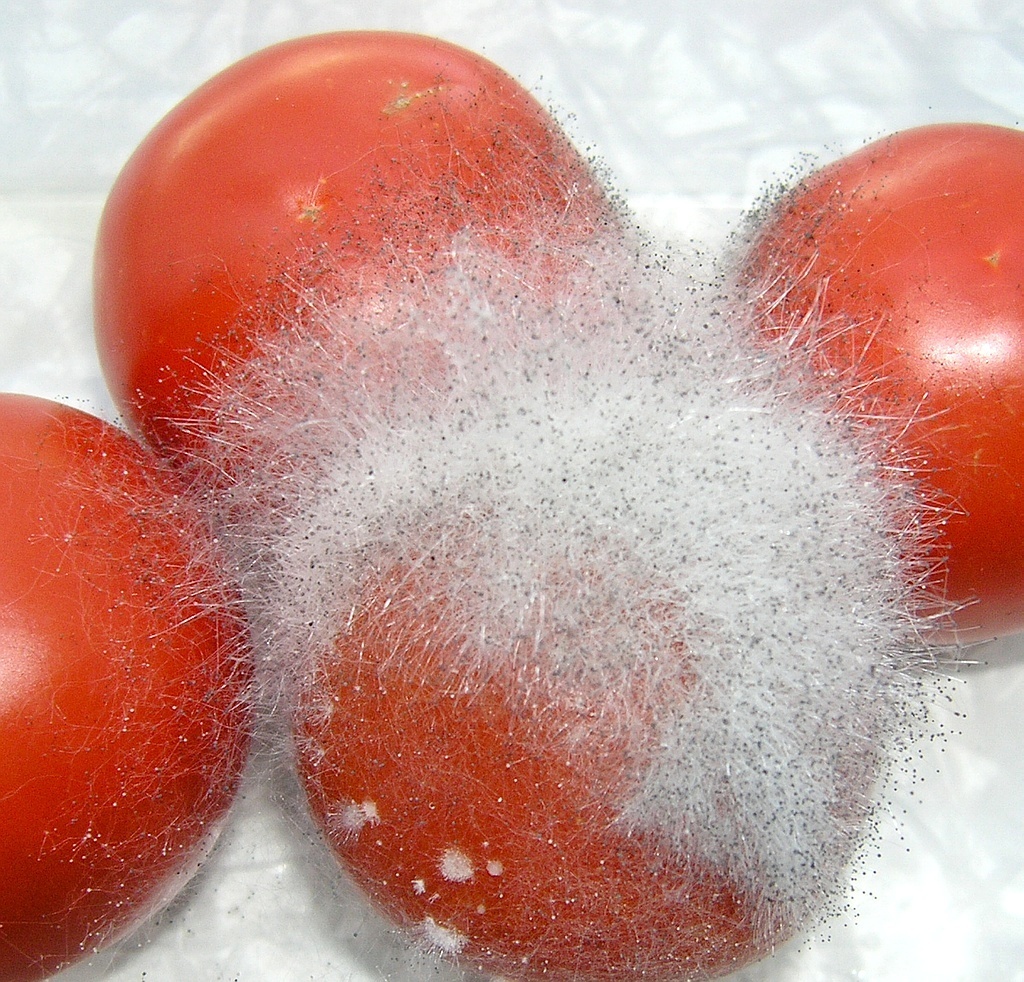
Figure 1. Rhizopus on tomatoe(s). Source: c) Comrade Foot – some rights reserved (CC BY-SA)
We are used to titillating stories of symbiotic mutualism where the host and the symbiont do amazing things together that neither could do alone. Think of lichens, root nodules in legumes, tube worms in deep sea vents. Such phenomena make us wonder: are there any limits to the evolution of novel adaptive strategies?
Here is an especially exciting example – a symbiont that does not just one unexpected thing with its host but two.
The two partners are a fungus, Rhizopus microsporus, and a bacterium belonging to the genus Burkholderia.
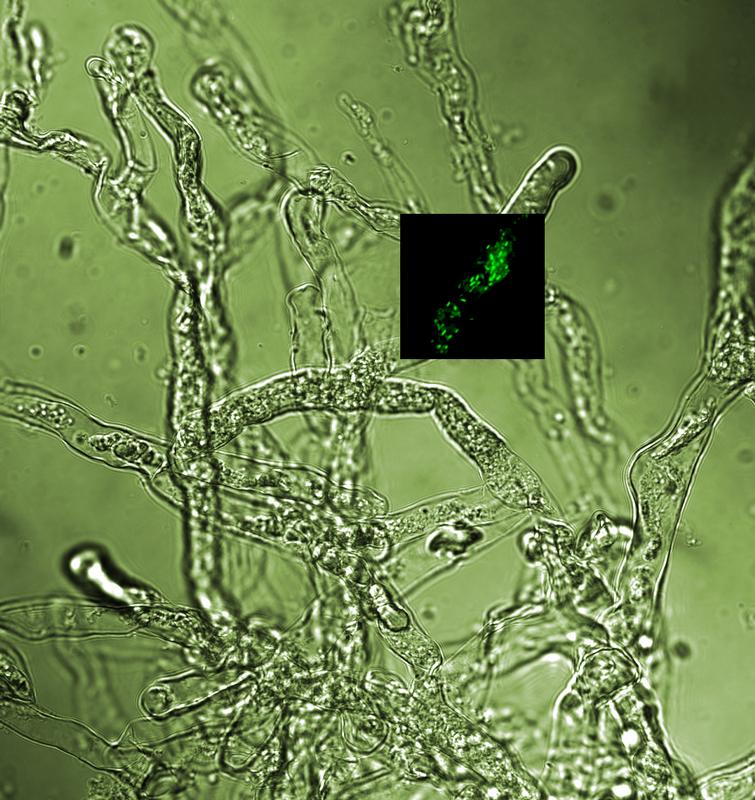
Figure 2. Micrograph of Rhizopus hyphae with a superimposed area (square) showing endosymbiotic bacteria labeled with a green fluorescent dye (Cy2). Courtesy of C. Hertweck
Using Burkholderia labeled with a green fluorescent dye, Christian Hertweck and colleagues at the Hans Knöll Institut (Jena, Germany) found the bacteria present not just in the fungal mycelium, but also in the spores – thus ensuring that the symbiosis will continue upon reproduction. Since spores are the main way this fungus propagates, it is dependent on its endosymbiont for its very survival.
To return to the other facet of this symbiosis, the rhizoxin produced by the bacterium benefits the fungus via the release of nutrients from the decaying rice plant. The toxin is a polyketide that affects the microtubules in cells within the rice roots, thereby blocking cell division – an action that suggested its possible value as an antitumor agent. Interestingly, when isolated from the fungus, the bacteria continue to make the toxin, however at an ever decreasing rate. This suggests that toxin production is regulated by interaction with the host. The fungus and the bacterium seem to have an active conversation going. Whatever they say to each other, it appears to be for the common good.



What happens when a mutant Burkholderia arises that doesn't make the toxin? The reduced metabolic cost should make the mutant spread within a host fungus. The host might be more likely to die, and the Burkholderia might die without its host, but evolution has no foresight. What fraction of symbiotic Burkholderia make the toxin, in nature? Does that represent a balance between within-host selection against toxin production and between-host selection for toxin production? Or is there some within-host mechanism that maintains toxin production, like the host sanctions we've found against rhizobia that fix little or no nitrogen?