Of Terms in Bi­ol­ogy: The Ex­ome

by Elio

An ex­ome is the col­lec­tion of ex­ons, the se­quences within the pri­mary mRNA tran­scripts of an or­gan­ism that are even­tu­ally used for mak­ing pro­teins. The rest, non-cod­ing se­quences, called in­trons, are re­moved by RNA splic­ing. (Note that there is no 'in­trome', at least not yet.)

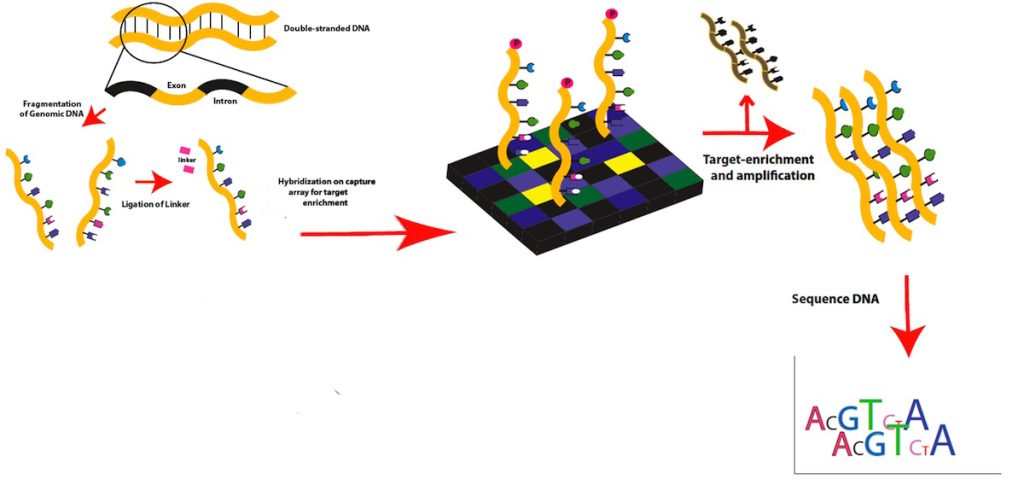
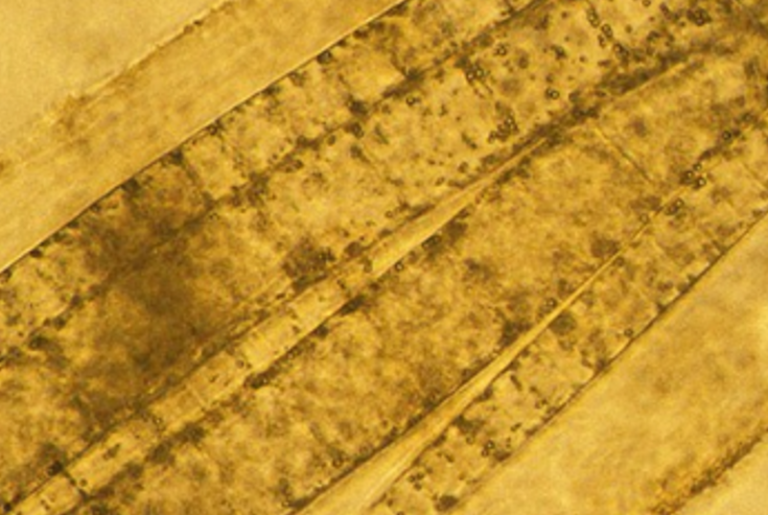
Fig­ure 1. Ex­ome se­quenc­ing work­flow. Source. Frontis­piece: Ex­ome. Source

In eu­kary­otes, ex­ons make up a small pro­por­tion of the genome, of­ten around 1% of the to­tal. In prokary­otes, ex­ons con­sti­tute its ma­jor­ity, in­trons be­ing rel­a­tively rare. In eu­kary­otes, there­fore, se­quenc­ing the ex­ome is more con­ve­nient – and cheaper – than se­quenc­ing the whole genome. Obvi­ously, this is of less in­ter­est with the prokary­otes. Con­se­quently, the term ex­ome is used mainly in con­nec­tion of an­a­lyz­ing eu­kary­otic genomes. This has im­por­tant impli­cations, for ex­am­ple, in se­quenc­ing pro­tein co­ding re­gions of in­di­vid­ual hu­mans to de­ter­mine if they carry mu­ta­tions that might be as­so­ci­ated with a par­tic­u­lar dis­ease. How­ever, im­por­tant in­formation not con­tained in the ex­ome will be missed us­ing this method in com­par­i­son to whole genome se­quenc­ing.

Ex­ome se­quenc­ing, a child of next-gen­er­a­tion sequen­cing, is usu­ally done in two steps: cap­tur­ing the ex­ons and se­quenc­ing them. The first step is usu­ally car­ried out by us­ing cus­tom-made sin­gle-stranded oligonu­cleotides (probes) to which ge­nomic frag­ments will hy­bridize. Af­ter these frag­ments are se­quenced, they are sub­jected to one of sev­eral kinds of sta­tis­ti­cal analy­ses. The qual­ity of ex­ome se­quence data can be im­proved by var­i­ous me­thods.


Other Posts

  • A Snip­pet: Thio­ploca

    by Elio — The seafloor off the coast of Chile is car­peted with bac­te­r­ial mats of gi­gan­tic pro­por­tions. They cover an area as large as that of the state of Al­abama. Their to­tal weight is of the or­der of 100 mil­lion tons, which prob­a­bly makes this the largest sin­gle species mi­cro­biome on Earth. The mats con­sist of huge fil­a­men­tous bac­te­ria of the genus...

  • Good Read­ing: Bac­te­r­ial com­mu­ni­ca­tion...

    ...through elec­tri­cal sig­nal­ing
    by Ananya Sen — Bac­te­r­ial biofilms are mi­cro­bial com­mu­ni­ties within which in­di­vid­ual cells com­mu­ni­cate with each other. Es­tab­lish­ing a biofilm, co­or­di­nat­ing biofilm growth in re­sponse to nu­tri­ent avail­abil­ity, and in­ter­species in­ter­ac­tions, all de­pend on com­mu­ni­ca­tion.

  • Tainted

    by Vivi­enne Bail­lie Ger­rit­sen — It has hap­pened to all of us. You are seated in a good restau­rant and the waiter has just brought you the wine you or­dered. He solemnly shows you the la­bel. You nod, and he pro­ceeds to slit open the lead seal with the tip of his corkscrew. Peal­ing the seal off the bot­tle neck, he then...

  • Of Terms in Bi­ol­ogy: "Syn­ony­mous Sub­sti­tu­tion", part 1|2

    by Christoph — We are oc­ca­sion­al­ly warned not to com­pare ap­ples with pears (sor­ry, Eng­lish speak­ers, not with or­anges this time). Sure, both are pome fruits, and both plants be­long to the Rosa­ceae fa­mily, but they dif­fer no­tab­ly in shape, feel, smell and taste. Ge­neti­cists may well need a si­mi­lar warn­ing when they some­times use the terms si­lent mu­ta­tion and syn­ony­mous sub­sti­tu­tion in­ter­change­ab­ly.

  • Chemo­taxis Praxis

    by Janie — In sto­ry­telling, there is a fa­mous prin­ci­ple called Chekhov's gun. "If in the first act you have hung a pis­tol on the wall, then in the fol­low­ing one it should be fired. Oth­er­wise, don't put it there." This pithy (and very de­bat­able) di­rec­tive, at­trib­uted to the epony­mous play­wright, smells a whole lot like the (sim­i­larly very de­bat­able) view­point of adap­ta­tion­ism...