A "Cultural" Renaissance
Genomics Breathes New Life into an Old Craft
This article by guest author Paul Carini was first published in mSystems (CC BY 4.0). We reprint it with the author's generously granted permission.
by Paul Carini
Sooner or later, everything old is new again.
—Stephen King (29)
For over a century, our understanding of microbial biology has been predicated on the ability of scientists to cultivate and study organisms under controlled laboratory conditions. Indeed, until the 1980s, our knowledge of microbial diversity was constrained to those microbes that grew in the laboratory or appeared under the microscope. Yet, it was also understood that the majority of microbes were recalcitrant to growth in the laboratory. The incongruence between enumeration by direct microscopic counting and culturable counting was eloquently presented by Staley and Konopka as "the great plate count anomaly" (1) and is oft attributed to the widespread notion that more than 99% of bacteria are unculturable. This anomaly was confirmed when Pace and colleagues started investigating natural environments with molecular tools targeting rRNA genes, lifting the veil masking vast uncultured microbially diverse populations for the first time (2). Perhaps inadvertently, the coincident timing of the great plate count anomaly and Pace et al.'s early rRNA-based approaches became the impetus for a major shift in the ways that microbial ecologists explored natural microbial assemblages; a whole generation of researchers traded piles of agar plates and growth curves for DNA sequencers, computer servers, and metabolic reconstructions from genomic data. Today, DNA sequencing is perceived (or at least touted) as the way to circumvent the problem of microbial unculturability.
A "Cultural" Renaissance
After a decade of refining the "big-data" side of microbiology, we are in the midst of a cultural renaissance in which the importance of cultivation-focused efforts has been rediscovered, with exciting results and implications. Several groups have demonstrated that a high percentage of host-associated microbiome members can be cultivated (3–7) and that such culture collections are indispensable for deducing important aspects of microbiome function (8–10). The renewed motivation to culture cells from nonhost environments, such as soil (11), aquatic environments (12), and the deep biosphere (13), is inspired, in part, by these successes and the enormous amounts of molecular data that have illuminated seemingly limitless microbially diverse populations that we know very little about (14). We can now dissect life's blueprints for these uncultivated lineages and use this information to facilitate cultivation, insight not afforded to previous generations of researchers.
Translating genomic information into an understanding of organismal physiology is anything but straightforward, and culturing environmental microbes is very timeintensive. This is highlighted by the story of the abundant marine heterotroph Pelagibacter (SAR11). Pelagibacter was discovered with molecular methods in 1990 (15) and cultured on natural seawater medium 12 years later (16). Surprisingly, it was not immediately obvious from Pelagibacter genome sequences (17) what nutrients were required for growth. In fact, with genomes in hand, it took an additional 8 years plus several postdocs and graduate students to translate that information into a defined medium (reference 18 and references therein). Subsequent laboratory studies have elucidated the unusual biology that contributes to Pelagibacter's unparalleled success in the sea and its key role in Earth's biogeochemistry (reviewed in reference 19). The unique characteristics of Pelagibacter cells were discovered by careful testing in the laboratory after scrutinizing of genomes, transcriptomes, and proteomes, a back-and-forth process that requires a culture, a genome, and patience.
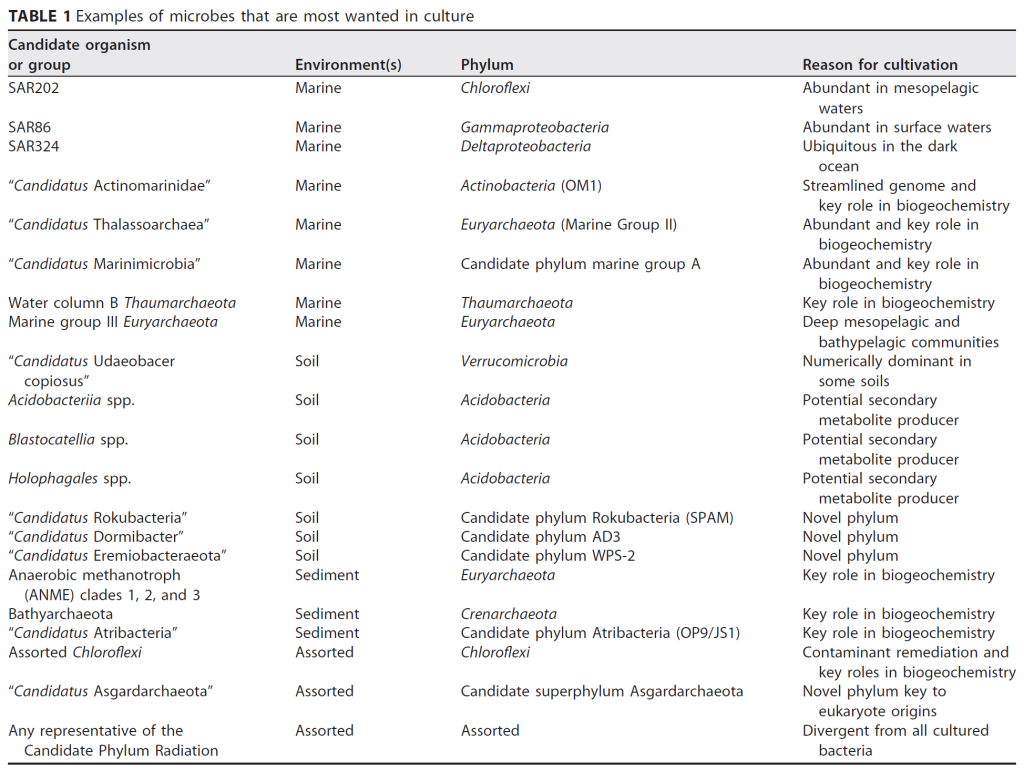
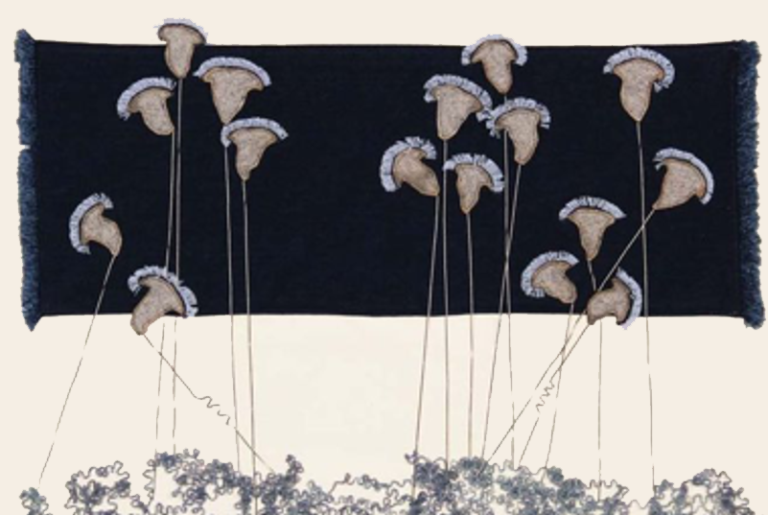
Table: Examples of microbes that are most wanted in culture. Source. Frontispiece: detail from Source
Pelagibacter's narrative highlights an important lesson. By shying away from the challenge of studying microbial cultures, we effectively turn our backs on an entire world of emergent properties that govern microbial activity and ecosystem function, properties that are not always predictable a priori from sequence information. To analogize, one cannot understand the experience of driving a Ferrari from the list of its components; a parts list does not convey the handling, the sound, or the driver's connection with the machine. Because of the investment in sequencing technology, our genetic inventories are more extensive than ever, yet the cultivation of novel microbes remains a complex task, much like assembling a 3‑dimensional puzzle. Hypotheses generated from genome-based metabolic reconstructions from single cells or metagenomes provide a crucial dimension to guide the assembly of the puzzle, but genomes are a parts list; we seek an understanding of the emergent principles of the cells themselves and the communities that they constitute.
While this cultural renaissance is indicative of a greater awareness for the need to study cell cultures to comprehensively understand Earth's microbiome, it is not always clear how to leverage and integrate molecular data to do that. Below are three steps that will lay a foundation for the future of integrated Earth microbiome research with an emphasis on elucidating the uncultured microbially diverse populations that we understand the least.
Decide What to Culture
Let us be clear; from a sheer numbers perspective, it is impossible to culture every microbe on Earth no matter what the environment. Because of this, we should set cultivation goals that are specific, achievable, and relevant. I envision explicit mostwanted lists that use molecular data to inform exactly which taxa we should target for cultivation and why they are important. Further, this molecular data can be used to identify potential cultivation strategies through metabolic reconstruction. The rationales for cultivation of a particular taxa will vary across research groups but may include (i) an organism's high relative abundance, (ii) its key role in biogeochemistry or bioremediation, (iii) its potential to produce natural products, and (iv) its substantial divergence from cultured taxa. Table 1 contains a short list of potential most-wanted microbes from various ecosystems that would be valuable to obtain in culture, based on an informal survey of colleagues and my own interests.
Invest in Risky Culture-Based Work
A popular perception is that exploratory culture-based research is unusually risky and unlikely to result in new isolates of interest. First, this is false (4,11,12,20,21). Second, all science is risky, and much is unsuccessful; how much do we want to learn? While it is tempting to point the finger at funding agencies for not supporting exploratory cultivation work, it is our colleagues, the reviewers and panelists, that marginalize these proposals. Funding agencies could shift this discourse by soliciting proposals that explicitly aim to (i) coordinate exploratory cultivation experiments with creative genomics or metabolomics approaches, (ii) develop new or higher-throughput cultivation strategies, and (iii) support long-term projects that investigate the biology of slow-growing or noncanonical model organisms that do not conform to the scale of traditional funding cycles. As J. Cameron Thrash explores in a companion Perspective in this issue, we need to constrain the costs of investing in cultivation-based work. If microbes hold the answers to many solvable problems, at some point we will need to invest in culturing them. Long-term, I envision well-funded high-throughput cultivation core labs that culture bacteria from user samples. Not only would these centers preserve living biodiversity that will almost certainly have utility in a changing world, but the cultivation of enigmatic taxa might be a strict numbers game: the more experiments that are conducted, the more likely they will capture something novel.
Build Knowledge Bridges with Cultures
The ability to sequence DNA is no longer a limiting factor in understanding microbial communities; the bottleneck lies with translating these sequence data into a functional context. The root of this limitation is that most genes have poor or no functional annotation, and our interpretation of the remainder is biased by the physiology of a few model organisms, the so-called streetlight effect (22). Isolating and studying organisms with unusual biology can bridge this knowledge gap. For example, focused functional genomics approaches uncovered widespread lipid remodeling in marine heterotrophs and related this process to poorly annotated genes (23–25). Likewise, the genome-facilitated discovery of complete ammonia oxidation to nitrate by Nitrospira cultures fundamentally changed our understanding of the nitrogen cycle (26). Moreover, high-throughput functional genomics approaches, such as transposon insertion sequencing (TnSeq), have proven to be scalable and powerful for identifying the fitness landscape of poorly annotated genes (27). While these approaches certainly require more effort than sequencing alone, the information that they provide in many cases unambiguously links genotype to phenotype.
Oligotrophy as an Emergent Principle
The challenge of translating genomic data into microbial cultures and linking genes with function is a driving force for our research group. However, an important dimension to the problem of isolating uncultured microbes may be an emergent principle not easily deduced from genomes: oligotrophy. Oligotrophy describes the paradoxical and enigmatic phenomenon of microbial cells growing optimally when nutrient availability is low. New evidence suggests that the numerically abundant microbes in nonhost systems are oligotrophs (28). Yet, we have a massively incomplete understanding of the physiological basis for oligotrophy and how oligotrophs contribute to microbial community stability and ecosystem function.
We have built our lab around the idea that many uncultured soil microbial lineages are oligotrophs. In general, oligotrophs are challenging to culture because they are small, slow-growing cells and do not attain high yields on low nutrient media, rendering common methods of quantifying microbial growth ineffective. To circumvent this, we invested in equipment to separate cells from environmental matrices and count oligotrophic cultures with high throughput and sensitivity. Our initial cultivation results are encouraging; across several experiments, we have ~3,000 cultures, some of which are representatives of uncultivated lineages of important soil bacteria. In these experiments, the concentration of a defined set of nutrients significantly influenced what grew, and many strains isolated on low-nutrient medium appear to be obligate oligotrophs that are inhibited by modest concentration increases of the same nutrients. Our long-term goal is to increase the efficiency and reduce the person-hour cost of cultivation by automating certain aspects of the cultivation process so that we can spend more time investigating interesting isolates in-depth.
My hopes are not only that the cultural renaissance is perceived as a reference to a renewed interest in culturing cells but also that it invokes a cultural shift in the way microbiologists perceive cells and their role in modern microbiology. Cells are not simply "bags of biochemistry" but living entities that are seamlessly integrated into the physical, ecological, and evolutionary landscape of Earth. Because of this, the methods by which we choose to study them must be similarly integrated.
Acknowledgements
I appreciate critical feedback on this Perspective from Ryan Bartelme, Tess Brewer, Amanda Howe, and J. Cameron Thrash.
References
1. Staley JT, Konopka A. 1985. Measurement of in situ activities of nonphotosynthetic microorganisms in aquatic and terrestrial habitats. Annu Rev Microbiol 39:321–346 [doi]
2. Pace NR, Stahl DA, Lane DJ, Olsen GJ. 1985. Analyzing natural microbial populations by rRNA sequences. ASM News 51:4 –12
3. Bai Y, Müller DB, Srinivas G, Garrido-Oter R, Potthoff E, Rott M, Dombrowski N, Münch PC, Spaepen S, Remus-Emsermann M, Hüttel B, McHardy AC, Vorholt JA, Schulze-Lefert P. 2015. Functional overlap of the Arabidopsis leaf and root microbiota. Nature 528:364 –369 [doi]
4. Browne HP, Forster SC, Anonye BO, Kumar N, Neville BA, Stares MD, Goulding D, Lawley TD. 2016. Culturing of "unculturable" human microbiota reveals novel taxa and extensive sporulation. Nature 533:543–546 [doi]
5. Forster SC, Kumar N, Anonye BO, Almeida A, Viciani E, Stares MD, Dunn M, Mkandawire TT, Zhu A, Shao Y, Pike LJ, Louie T, Browne HP, Mitchell AL, Neville BA, Finn RD, Lawley TD. 2019. A human gut bacterial genome and culture collection for improved metagenomic analyses. Nat Biotechnol 37:1–12 [doi]
6. Nunes da Rocha U, Cadillo-Quiroz H, Karaoz U, Rajeev L, Klitgord N, Dunn S, Truong V, Buenrostro M, Bowen BP, Garcia-Pichel F, Mukhopadhyay A, Northen TR, Brodie EL. 2015. Isolation of a significant fraction of nonphototroph diversity from a desert Biological Soil Crust. Front Microbiol 6:1–15 [doi]
7. Lagkouvardos I, Pukall R, Abt B, Foesel BU, Meier-Kolthoff JP, Kumar N, Bresciani A, Martínez I, Just S, Ziegler C, Brugiroux S, Garzetti D, Wenning M, Bui TPN, Wang J, Hugenholtz F, Plugge CM, Peterson DA, Hornef MW, Baines JF, Smidt H, Walter J, Kristiansen K, Nielsen HB, Haller D, Overmann J, Stecher B, Clavel T. 2016. The Mouse Intestinal Bacterial Collection (miBC) provides host-specific insight into cultured diversity and functional potential of the gut microbiota. Nat Microbiol 1:16131 [doi]
8. Swenson TL, Karaoz U, Swenson JM, Bowen BP, Northen TR. 2017. Linking soil biology and chemistry in biological soil crust using isolate exometabolomics. Nat Commun 9:19 [doi]
9. Zhalnina K, Louie KB, Hao Z, Mansoori N, da Rocha UN, Shi S, Cho H, Karaoz U, Loqué D, Bowen BP, Firestone MK, Northen TR, Brodie EL. 2018. Dynamic root exudate chemistry and microbial substrate preferences drive patterns in rhizosphere microbial community assembly. Nat Microbiol 3:470–480 [doi]
10. Castrillo G, Teixeira P, Paredes SH, Law TF, de Lorenzo L, Feltcher ME, Finkel OM, Breakfield NW, Mieczkowski P, Jones CD, Paz-Ares J, Dangl JL. 2017. Root microbiota drive direct integration of phosphate stress and immunity. Nature 543:513–518 [doi]
11. Pold G, Billings AF, Blanchard JL, Burkhardt DB, Frey SD, Melillo JM, Schnabel J, van Diepen LTA, DeAngelis KM. 2016. Long-term warming alters carbohydrate degradation potential in temperate forest soils. Appl Environ Microbiol 82:6518–6530 [doi]
12. Henson MW, Pitre DM, Weckhorst JL, Lanclos VC, Webber AT, Thrash JC. 2016. Artificial seawater media facilitate cultivating members of the microbial majority from the Gulf of Mexico. mSphere 1:e00028-16 [doi]
13. Parkes RJ, Sellek G, Webster G, Martin D, Anders E, Weightman AJ, Sass H. 2009. Culturable prokaryotic diversity of deep, gas hydrate sediments: first use of a continuous high-pressure, anaerobic, enrichment and isolation system for subseafloor sediments (DeepIsoBUG). Environ Microbiol 11:3140 –3153 [doi]
14. Lloyd KG, Steen AD, Ladau J, Yin J, Crosby L. 2018. Phylogenetically novel uncultured microbial cells dominate Earth microbiomes. mSystems 3:e00055-18 [doi]
15. Giovannoni SJ, Britschgi TB, Moyer CL, Field KG. 1990. Genetic diversity in Sargasso Sea bacterioplankton. Nature 345:60–63 [doi]
16. Rappé MS, Connon SA, Vergin KL, Giovannoni SJ. 2002. Cultivation of the ubiquitous SAR11 marine bacterioplankton clade. Nature 418:630–633 [doi]
17. Giovannoni SJ, Tripp HJ, Givan S, Podar M, Vergin KL, Baptista D, Bibbs L, Eads J, Richardson TH, Noordewier M, Rappé MS, Short JM, Carrington JC, Mathur EJ. 2005. Genome streamlining in a cosmopolitan oceanic bacterium. Science 309:1242–1245 [doi]
18. Carini P, Steindler L, Beszteri S, Giovannoni SJ. 2013. Nutrient requirements for growth of the extreme oligotroph "Candidatus Pelagibacter ubique" HTCC1062 on a defined medium. ISME J 7:592– 602 [doi]
19. Giovannoni SJ. 2017. SAR11 bacteria: the most abundant plankton in the oceans. Annu Rev Mar Sci 9:231–255 [doi]
20. Santoro AE, Casciotti KL. 2011. Enrichment and characterization of ammonia-oxidizing archaea from the open ocean: phylogeny, physiology and stable isotope fractionation. ISME J 5:1796 –1808 [doi]
21. Kim S, Kang I, Seo J‑H, Cho J‑C. 2018. Culturing the ubiquitous freshwater actinobacterial acI lineage by supplying a biochemical 'helper'catalase. bioRxiv [doi]
22. Wikipedia. 30 September 2018. Streetlight effect, on Wikipedia, The Free Encyclopedia. Accessed 1 February 2019.
23. Carini P, Van Mooy BAS, Thrash JC, White A, Zhao Y, Campbell EO, Fredricks HF, Giovannoni SJ. 2015. SAR11 lipid renovation in response to phosphate starvation. Proc Natl Acad Sci U S A 112:7767–7772 [doi]
24. Sebastián M, Smith AF, González JM, Fredricks HF, Van Mooy B, Koblížek M, Brandsma J, Koster G, Mestre M, Mostajir B, Pitta P, Postle AD, Sánchez P, Gasol JM, Scanlan DJ, Chen Y. 2016. Lipid remodelling is a widespread strategy in marine heterotrophic bacteria upon phosphorus deficiency. ISME J 10:968 –978 [doi]
25. Smith AF, Rihtman B, Stirrup R, Silvano E, Mausz MA, Scanlan DJ, Chen Y. 2019. Elucidation of glutamine lipid biosynthesis in marine bacteria reveals its importance under phosphorus deplete growth in Rhodobacteraceae. ISME J 13:39–49 [doi]
26. Daims H, Lebedeva EV, Pjevac P, Han P, Herbold C, Albertsen M, Jehmlich N, Palatinszky M, Vierheilig J, Bulaev A, Kirkegaard RH, Bergen von M, Rattei T, Bendinger B, Nielsen PH, Wagner M. 2015. Complete nitrification by Nitrospira bacteria. Nature 528:504 –509 [doi]
27. Price MN, Wetmore KM, Waters RJ, Callaghan M, Ray J, Liu H, Kuehl JV, Melnyk RA, Lamson JS, Suh Y, Carlson HK, Esquivel Z, Sadeeshkumar H, Chakraborty R, Zane GM, Rubin BE, Wall JD, Visel A, Bristow J, Blow MJ, Arkin AP, Deutschbauer AM. 2018. Mutant phenotypes for thousands of bacterial genes of unknown function. Nature 557:503–509 [doi]
28. Gao Y, Wu M. 2018. Free-living bacterial communities are mostly dominated by oligotrophs. bioRxiv [doi]
29. King S. 2005. The Colorado kid. Dorchester Publishing Co., New York, NY.
Paul Carini is Assistant Professor for Microbial Ecophysiology at the University of Arizona. He's on twitter: @Paul_Carini.