Skip to content
Small Things Considered

Small Things Considered

  • About
  • Con­tact
  • Sub­scribe
Small Things Considered
  • A Whiff of Repli­ca­tion – Penduli­sporaceae

    A Whiff of Repli­ca­tion – Penduli­sporaceae

    August 8, 2024January 27, 2026

    by Christoph — Just to quote my­self here: When mi­cro­bi­ol­o­gists de­scribe a pre­vi­ously un­known bac­terium, they are mainly in­ter­ested in its lifestyle, me­tab­o­lism, mor­phol­ogy and cell cy­cle. And to con­tinue with the self-quo­ta­tion: For me, "get­ting to know" new­bies al­ways in­volves find­ing out how they ini­ti­ate the repli­ca­tion of their chromosome(s)…

    Read More A Whiff of Repli­ca­tion – Penduli­sporaceaeContinue

  • A Whiff of Repli­ca­tion – Atrib­ac­ter lam­i­na­tus

    A Whiff of Repli­ca­tion – Atrib­ac­ter lam­i­na­tus

    April 4, 2024January 27, 2026

    by Christoph — When mi­cro­bi­ol­o­gists de­scribe a pre­vi­ously un­known bac­terium, they are mainly in­ter­ested in its lifestyle, me­tab­o­lism, mor­phol­ogy and cell cy­cle. For me, "get­ting to know" a new­bie al­ways in­volves – let's call it an ad­dic­tion – read­ing its genome se­quence and find­ing out how it ini­ti­ates the repli­ca­tion of its chromosome(s).

    Read More A Whiff of Repli­ca­tion – Atrib­ac­ter lam­i­na­tusContinue

  • Fine Read­ing: A Brief His­tory of Plas­mids

    Fine Read­ing: A Brief His­tory of Plas­mids

    April 21, 2022October 29, 2025

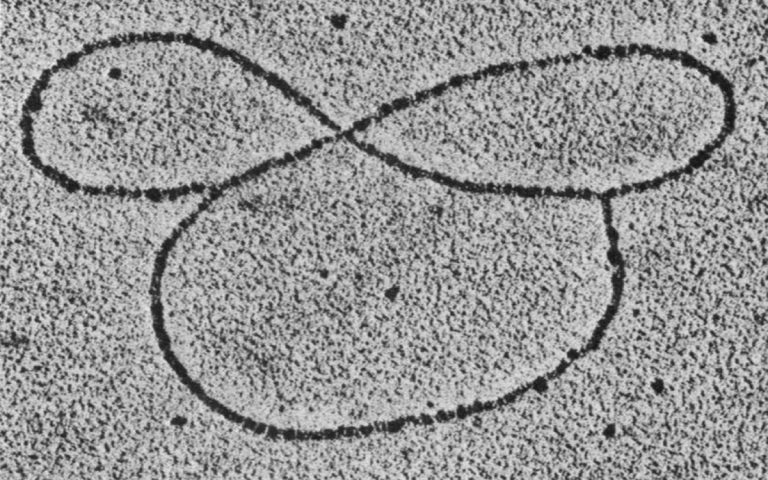
    by Roberto — That plas­mids are au­tonomous repli­cat­ing el­e­ments and that they can serve as ex­cel­lent cloning vec­tors are facts most cer­tainly well-known to STC read­ers. How­ever, I ven­ture to guess that the same can­not be said about the his­tor­i­cal de­tails of the when, how, and why...

    Read More Fine Read­ing: A Brief His­tory of Plas­midsContinue

  • Tales of Mys­tery and Imag­i­na­tion (1/2)

    Tales of Mys­tery and Imag­i­na­tion (1/2)

    April 10, 2017February 1, 2026

    by Daniel P. Haeusser — Over the last ten-plus years of this blog's ex­is­tence, one clus­ter of branches on the bac­te­r­ial phy­lo­ge­netic tree in par­tic­u­lar has pre­sented us with fas­ci­nat­ing mys­ter­ies re­gard­ing ba­sic, and seem­ingly unique, cel­lu­lar bi­ol­ogy. Many as­pects of the species on these branches re­main enig­matic, but what de­tails re­searchers have been able to coax from them...

    Read More Tales of Mys­tery and Imag­i­na­tion (1/2)Continue

  • Let's eat! Bdellovib­rio cou­ples pre­da­tion with repli­ca­tion

    Let's eat! Bdellovib­rio cou­ples pre­da­tion with repli­ca­tion

    April 4, 2016February 2, 2026

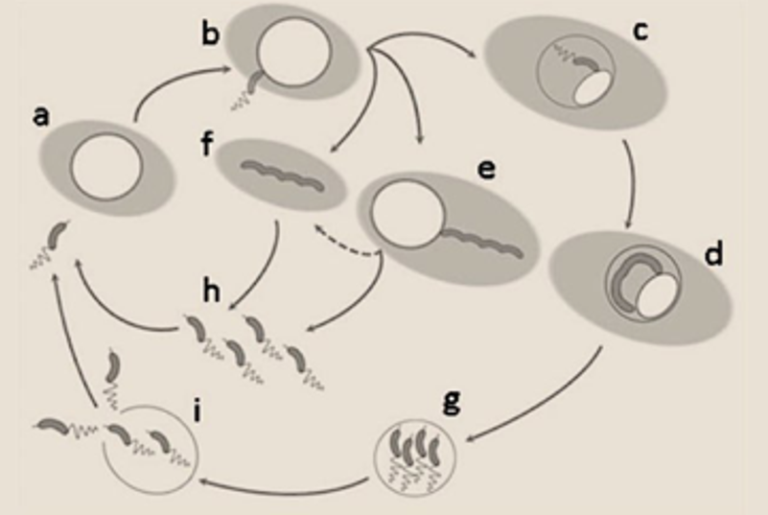
    by Jacky Lu — Pre­da­tion in the an­i­mal world re­volves around the senses. An­gler­fish use light to lure in prey, sharks can smell the tini­est drop of blood in the ocean, bats rely on their keen sense of hear­ing to catch a pass­ing in­sect. Preda­tors not only have to find their prey, but they must also make the de­ci­sion to pur­sue and cap­ture them. Such dy­nam­ics be­tween preda­tor and prey ex­ist in the macro­scopic world of an­i­mals, but do they ex­ist...

    Read More Let's eat! Bdellovib­rio cou­ples pre­da­tion with repli­ca­tionContinue

  • A Model for DNA Seg­re­ga­tion in 1963

    A Model for DNA Seg­re­ga­tion in 1963

    November 29, 2015February 2, 2026

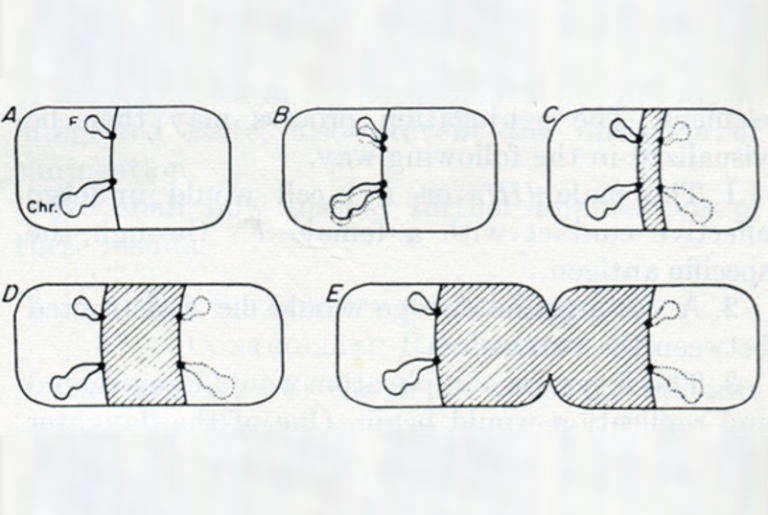
    Pic­tures Con­sid­ered #32 by Nanne Nan­ninga — The clas­sic pa­per on 'The Reg­u­la­tion of DNA Repli­ca­tion in Bac­te­ria' by Ja­cob et al. (1963) in­cluded a model on bac­te­r­ial DNA seg­re­ga­tion. In ret­ro­spect the model had far reach­ing con­se­quences which can still be felt to­day. It en­tailed a re­search pro­gram that in­spired many sci­en­tists. Yet, the model was not the main topic of the pa­per.

    Read More A Model for DNA Seg­re­ga­tion in 1963Continue

Page navigation

1 2 Next PageNext
  • Home
  • About
  • Con­tact
  • Archive
  • Our Books
  • In Memo­riam
  • Sub­scribe

© 2026 Small Things Considered

  • About
  • Con­tact
  • Sub­scribe
Search