• Pri­ons in bac­te­ria

    by Vin­cent Racaniello — Bac­te­ria do not de­velop trans­mis­si­ble spongi­form en­cephalopathies, but they have been found to pro­duce pri­ons – pro­teins that can adopt al­ter­na­tive con­for­ma­tions with dif­fer­ent func­tions...

  • Small Sticks of Bi­ol­ogy

    by Elio — How a pro­teins folds into a par­tic­u­lar shape is about as cen­tral a con­cern as there is in our postge­nomic world. Pro­tein mol­e­cules bend, curl up, writhe, and, gen­er­ally un­dergo big time changes in shape and form, plus they can make strong con­nec­tions be­tween seg­ments along their length and with other mol­e­cules…

  • Pro­tein Origami

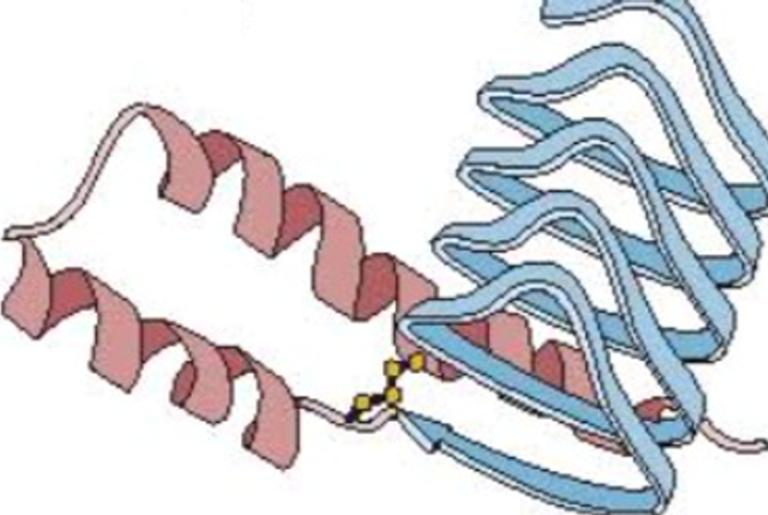
    by Merry Youle — Pri­ons are pro­teins of ill re­pute, as they keep com­pany with "mad cow dis­ease," Alzheimer's, and other neuro­degenerative mal­adies. But pri­ons are not for­eign pathogens; they are al­ter­na­tive states of nor­mal cel­lu­lar pro­teins. Pro­teins be­hav­ing as pri­ons typ­i­cally as­sume a char­ac­ter­is­tic ß‑sheet sec­ondary struc­ture and ag­gre­gate to form ex­cep­tion­ally sta­ble fibers called amy­loids. Small amy­loid ag­gre­gates can...