• Pat­terns to Struc­tures

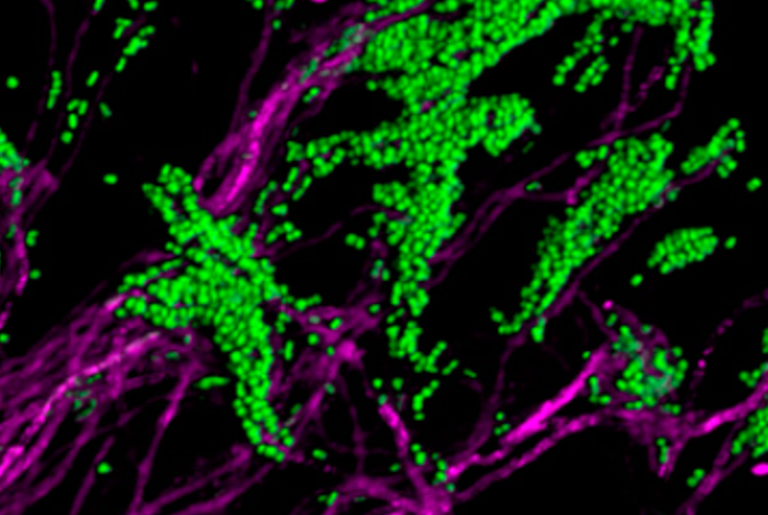
    by Christoph — I first saw this im­age a while ago on Twit­ter (now 𝕏) and I will put down a few thoughts about it here be­cause it il­lus­trates so well how mi­cros­cop­ists, es­pe­cial­ly cryo-elec­tron to­mog­ra­phers, work. And what dis­tin­guish­es their way of work­ing from that of ar­tists and where the two meet.

  • «let not Van­ity ſe­duce you...»

    by Christoph — «let not Van­ity ſe­duce you to perſiſt in your Miſ­take». No, it's not a spelling mis­take that you see here. It's the 'long ſ', which was used in print well into the 18th cen­tury. And also the cap­i­tal­iza­tion of nouns, un­usual to­day, was com­mon in 1743 when Henry Baker's trea­tise 'The Mi­cro­scope Made Easy' was pub­lished...

  • Hedge­hogs In Your Gar­den

    by Christoph — If some­one told you that your mouth har­bors roughly 700 dif­fer­ent bac­te­r­ial species you might think "that's gross!" but you'd prob­a­bly just say "Ooh!". Wait! Please, keep your mouth open for a minute and look into a mir­ror. Con­sider the size of bac­te­ria, so for them your mouth is a big gar­den. And now...

  • Open­ing Win­dows into the Cell

    by Kanika Khanna — In the 1940's, elec­tron mi­croscopy (EM) sin­gle hand­edly pro­pelled cell bi­ol­ogy into a new era. The dis­cov­ery of cell or­ganelles and their ul­tra­struc­ture can be at­trib­uted to its ap­pli­ca­tion. The op­por­tu­nity to cross the bar­rier set by the lim­i­ta­tions in the res­o­lu­tion of op­ti­cal mi­croscopy was a cru­cial de­vel­op­ment for many re­searchers.

  • The As­ton­ish­ingly Rich Smörgås­bord of New Meth­ods...

    ... for Light Mi­croscopy by Elio — The two age-old prob­lems of the light mi­cro­scope are res­o­lu­tion and con­trast. Res­o­lu­tion is a func­tion of the wave­length of light, so that in the vis­i­ble it is, at best, about 200 nm. (It also de­pends on the lenses, but they have been pretty good for a long time.) This means that…