• A Vi­ral Pyra­mid Scheme

    by Merry Youle — In or­der to re­lease their newly as­sem­bled viri­ons, most viruses lyse the cells that have fed and housed them. This ly­sis is not a hap­haz­ard af­fair. Some phages, for ex­am­ple, em­ploy a holin-en­dolysin sys­tem to rup­ture their host's cell mem­brane and di­gest the cell wall at a pre­cisely con­trolled…

  • Some Like it Hot

    by S. Mar­vin Fried­man — How can ther­mophilic bac­te­ria not only sur­vive, but ac­tu­ally pro­lif­er­ate, at el­e­vated tem­per­a­tures that would be lethal to all other forms of life? Af­ter ex­ten­sive re­search dur­ing the past five decades, this ques­tion has been an­swered in a gen­eral way, but the mol­e­c­u­lar ba­sis for this un­usual ca­pa­bil­ity has not been…

  • A Most Lively Virus

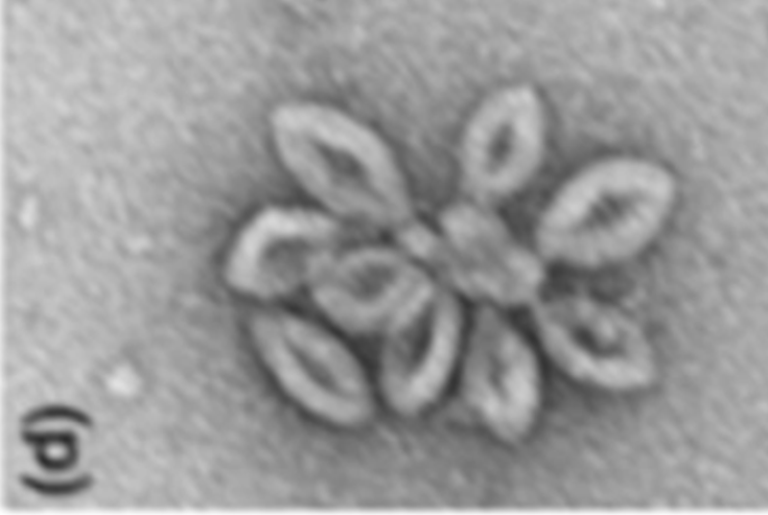
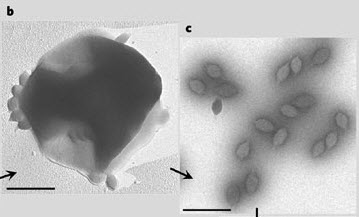
    by Merry Youle — Mor­pho­log­i­cally speak­ing, the viruses of mesophilic and mod­er­ately ther­mophilic bac­te­ria and ar­chaea are a dull bunch. Of 5,100 sur­veyed, 97% are ho-hum head-and-tail phages – icosa­he­dral heads with he­li­cal tails.

  • When Cre­nar­chaeota Di­vide, They Mul­ti­ply

    by Jenn Tsau and Suzy Szu­mowski — When cells di­vide, it's re­ally im­por­tant that they do so eq­ui­tably so you don't end up with some hav­ing too much and some too lit­tle cell ma­te­r­ial; the re­sults of ei­ther could be dele­te­ri­ous. There­fore, over the bil­len­nia that life has been around, mech­a­nisms to care­fully divvy up...

  • There is no "Z" in "Di­vi­sion"

    by Manuel Sánchez and Miguel Vi­cente — From wheels to tur­bines, hu­mans have in­vented a goodly num­ber of ma­chines to per­form var­i­ous me­chan­i­cal tasks. The same func­tion, e.g., to move a car, can be car­ried out by mo­tors of dif­fer­ent de­signs. This is also true for cells, where the same func­tion can be car­ried out by dif­fer­ently de­signed ma­chines. Just as most cars use a gaso­line en­gine, most mi­crobes...