• The Tip of the Ice­berg

    by David Hop­wood — We can­not read the pop­u­lar press – let alone the sci­en­tific lit­er­a­ture – these days with­out re­al­is­ing that the re­sis­tance of dan­ger­ous path­o­genic bac­te­ria to cur­rently used an­tibi­otics is in­creas­ing at an alarm­ing rate. Me­thi­cillin (or mul­ti­ple) re­sis­tant S. au­reus (MRSA) is the most talked about, closely fol­lowed by van­comycin re­sis­tan­tEn­te­ro­coc­cus (VRE) as well as...

  • Feed From the Hand That Bites You

    by Elio — If you look for them, you'll find them – bac­te­ria that can feed on an­tibi­otics, that is. Here, look­ing means to make an en­rich­ment cul­ture us­ing a medium whose sin­gle car­bon source is an an­tibi­otic. Add a soil sam­ple with its res­i­dent bac­te­ria and look to see who, if any­one, will grow. As re­ported in a re­cent is­sue of...

  • Tetra­cy­cline: As­sas­sin, Aphro­disiac, ...

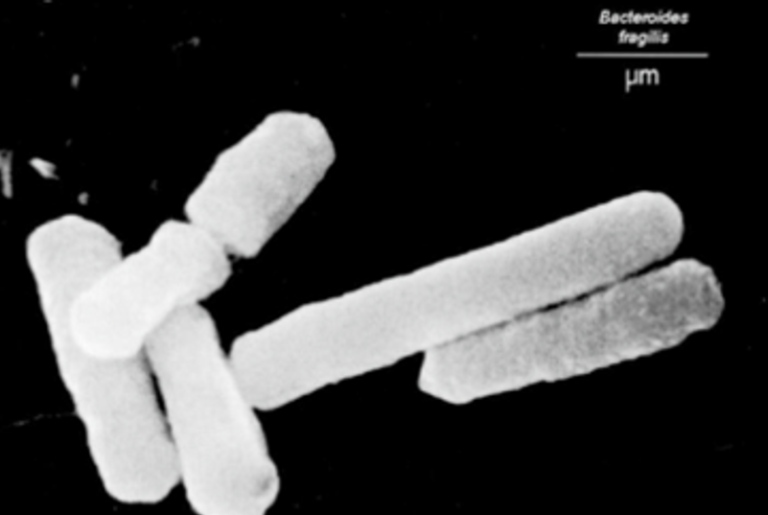
    ...Agent Pro­vocateur, Chore­o­g­ra­pher by Merry Youle — When first used clin­i­cally, tetra­cy­cline was ef­fec­tive against mem­bers of the genus Bac­teroides, gram-neg­a­tive anaer­obes that make up 20–30% of our colonic bac­te­r­ial pop­u­la­tion. Though usu­ally well-be­haved, Bac­teroides are op­por­tunis­tic pathogens ca­pa­ble of caus­ing life-threat­en­ing in­fec­tions if the colon is per­fo­rated. Now, vir­tu­ally all Bac­teroides clin­i­cal iso­lates are...