
TWiM #47: Resistance on the Surface
Vincent, Michael, and Elio discuss the horizontal transfer of antibiotic resistance genes on metal surfaces, and using bacteriophage to reverse antibiotic resistance.

Vincent, Michael, and Elio discuss the horizontal transfer of antibiotic resistance genes on metal surfaces, and using bacteriophage to reverse antibiotic resistance.

by Karen Schwarzberg, Mike Gurney, and Nikos Gurfield — Typically, when one thinks about the commensal bacteria living with us, what comes to mind are the benefits they provide by aiding in food metabolism, producing vitamins, and preventing colonization by invading pathogenic bacteria.

by Hans H. Martin — L‑forms are bacterial variants with defective cell walls and irregular growth and multiplication. They arise after peptidoglycan, the exoskeleton of the bacterial cell wall, has been either degraded by bacteriolytic enzymes, or its biosynthesis has been disturbed by antibiotics and other inhibitors, or by defect mutations in essential genes for cell wall synthesis. L‑forms with different degrees of wall defects can arise...
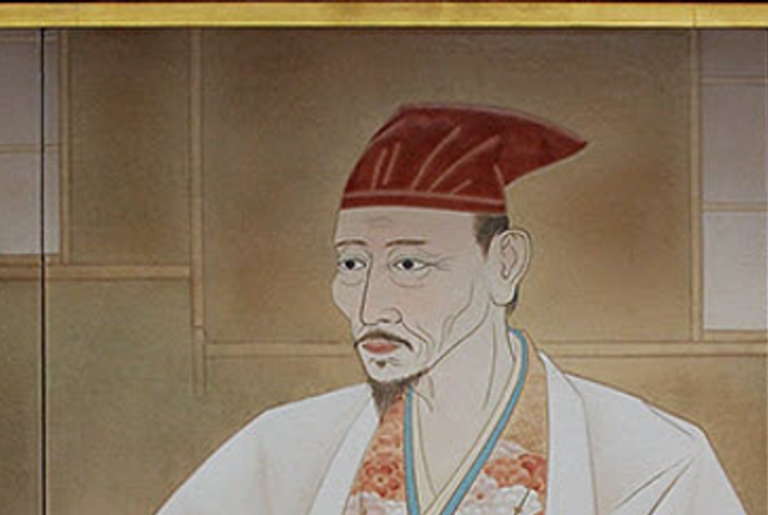
by Elio — Towards the end of the 16th century, the ruler of Japan, Toyotomi Hideyoshi, began a movement that led to the banning of firearms in that country. Not that these weapons hadn't worked; on the contrary, at that time the Japanese made some of the best guns in the world. Many reasons have been put forward for this unique and drastic action, the most romantic being that the...
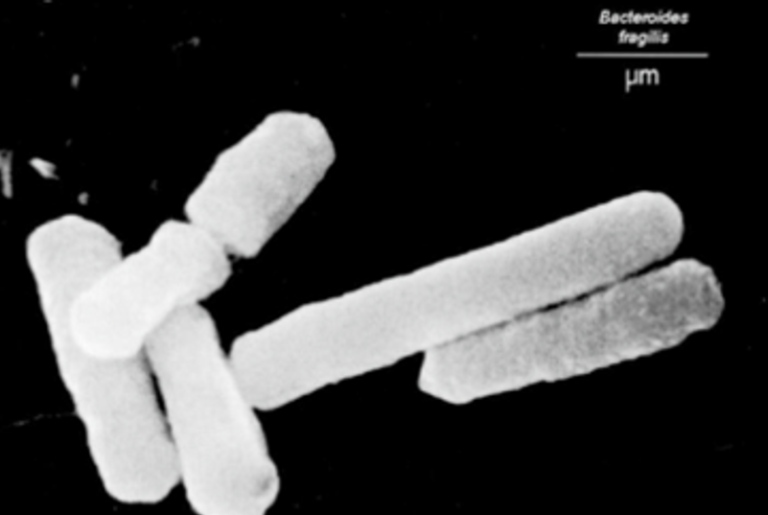
...Agent Provocateur, Choreographer by Merry Youle — When first used clinically, tetracycline was effective against members of the genus Bacteroides, gram-negative anaerobes that make up 20–30% of our colonic bacterial population. Though usually well-behaved, Bacteroides are opportunistic pathogens capable of causing life-threatening infections if the colon is perforated. Now, virtually all Bacteroides clinical isolates are...