Sul­fur disproportiona­tion is ex­er­gonic...

... in the vicin­ity of ma­rine hy­drother­mal vents

by Elio

Now that's a ti­tle of a pa­per for you. I con­fess, it baf­fled me. At a min­imum, I had to look up dis­prop­or­tion­ation. What is it? Also known as dis­mut­ation, this refers to a re­dox reac­tion in which a com­pound that is partly oxi­dized con­verts to two com­pounds, one of higher and one of lower oxi­dation state. In the sul­fur busi­ness, com­pounds be­come simul­tane­ously red­uced and oxi­dized to sul­fide and sul­fite. Dis­prop­ortion­able (a term I just coined) sul­fur com­pounds are abun­dant in the ocean and esp­ecially near hydro­thermal vents. So are the bac­teria that can carry out these reac­tions. Some 30 species that can do this are known and they use a var­iety of en­zymes in these pro­cesses. The impor­tance of these in their environ­ment rem­ains to be deter­mined, but they are likely to be quite rel­evant to the com­plex sul­fur cy­cles in the oceans.

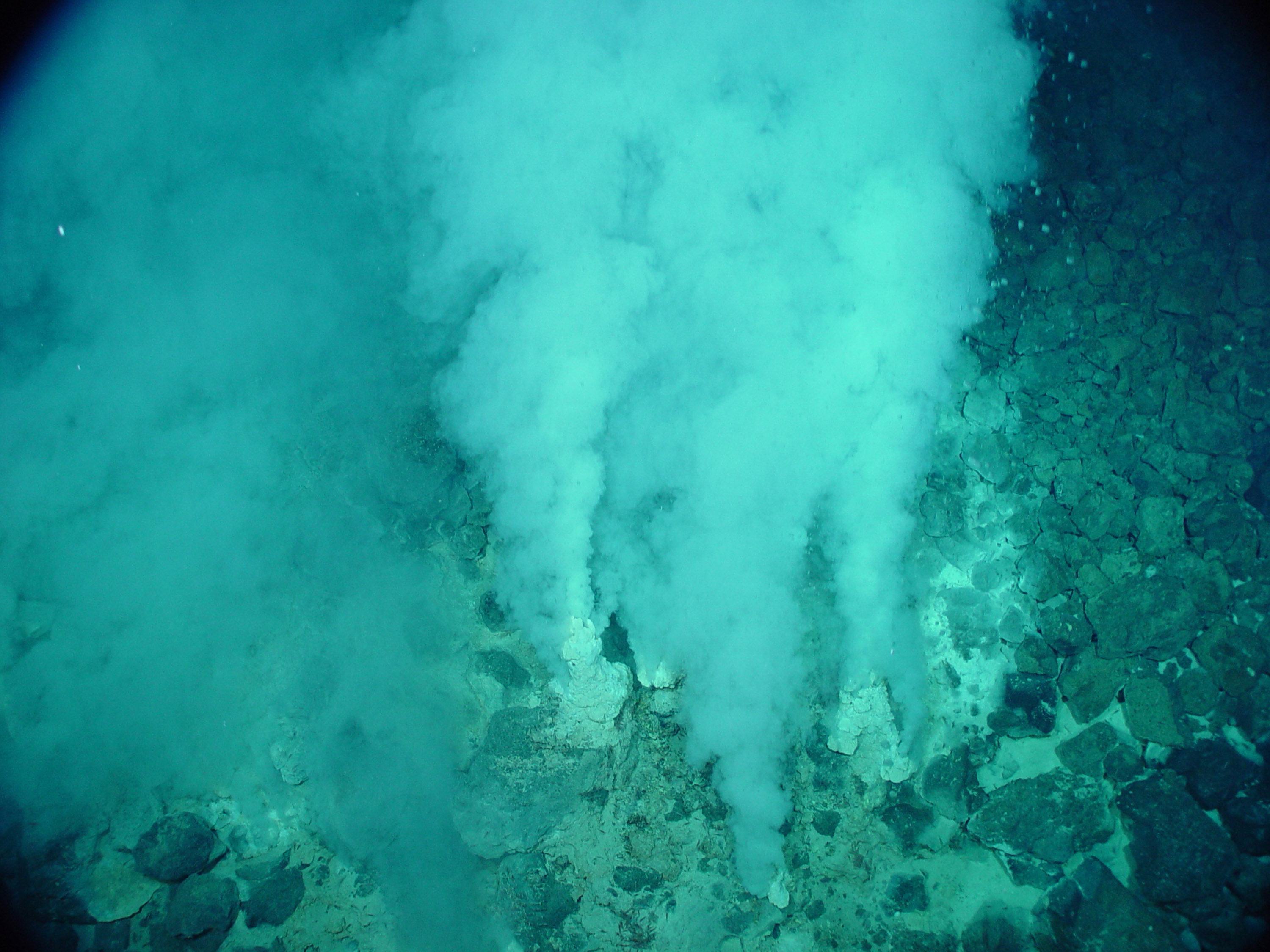
Fig­ure 1. Hy­drother­mal vent. Source

Now for the rest of the ti­tle. Exer­gonic, as you likely know, means that a pro­cess is accom­panied by the rel­ease of en­ergy. The ti­tle is now cry­stal clear, no?


Other Posts

  • There is Hope

    by Elio — Through the years, we have not had many op­por­tu­ni­ties to look for­wards, to get a feel­ing for how sci­ence is taught in mid­dle and high schools. But we have had a cou­ple of won­der­ful en­coun­ters, one with the Jef­fer­son Mid­dle School and Mrs. Put­nam, their sixth grade teacher in Jack­son, Mis­sis­sippi…

  • In Memo­riam: Roland Wolkow­icz

    by For­est Ro­hwer — In his 14 years at SDSU, Roland stud­ied HIV as well as RNA viruses that are trans­mit­ted by mos­qui­toes – how they af­fect cells and their pos­si­ble drug treat­ments. He was known for a re­mark­able ded­i­ca­tion to his stu­dents, re­fus­ing to step back from teach­ing even while se­verely weak­ened by ad­vanced lung can­cer and its treat­ment.

  • From The Pro­gram of 1st An­nual Meet­ing...

    ...So­ci­ety of Amer­i­can Bac­te­ri­ol­o­gists, 1899 by Elio — Wouldn't you be tempted to at­tend such a ses­sion if it were part of a cur­rent-day ASM meet­ing? The first five pa­pers ever de­liv­ered to a meet­ing of the So­ci­ety of Amer­i­can Bac­te­ri­ol­o­gist (now the ASM) are so ut­terly rel­e­vant to our con­cerns that they could be de­liv­ered now. No changes…

  • The ASM Pres­i­dent Speaks: "ASM Touches So Many,...

    ...At So Many Lev­els" by Robin Pa­tel — I have been touched with the way ASM unites mi­cro­bi­ol­o­gists, el­e­vat­ing mi­cro­bi­ol­ogy for sci­en­tists and the com­mu­ni­ties in which we live. It has been an honor and a plea­sure to serve as ASM Pres­i­dent over the past year, a year which could rea­son­ably be con­sid­ered, the year every­one was a mi­cro­bi­ol­o­gist.

  • Den­tal Care for Your Pet: For Their Health and Yours

    by Meaghan O'Neill — Ever since the do­mes­ti­ca­tion of wolves, hu­mans have prob­a­bly re­marked upon the par­tic­u­larly bad breath that our dog com­pan­ions fre­quently dis­play. Me­dieval il­lu­mi­nated bes­tiaries spec­u­lated that the strong odor from a wolf's mouth could be­tray his pres­ence to prey – like a flock of sheep – caus­ing the wolf to its make ap­proach from down­wind.