
Talmudic Question #129

Can you conceive of an animal cell choosing independence and becoming protist-like? For instance, could a macrophage learn to live among the moist mosses in the woods and look perhaps like a slime mold?
Can you conceive of an animal cell choosing independence and becoming protist-like? For instance, could a macrophage learn to live among the moist mosses in the woods and look perhaps like a slime mold?

Pictures Considered #7 by Elio — In 1962 Cole and Hahn published in 'Science' an unassuming sounding paper entitled "Cell wall replication in Streptococcus pyogenes." The authors asked the question: do strep cells synthesize their cell wall by intercalating new parts at different sites on their surface or does this take place at one site…

The establishment of an oxygen-respiring bacterium in the cytoplasm of an archeon might have given rise to the eukaryotes. What was the first adaptive trait...

by Elio — Binary fission is a most impressive invention. In one fell swoop, it ensures that progeny cells are born alike and endowed with the same potential for growth and survival. Simple as it sounds, it must have taken considerable evolutionary contortions to make it function so well...

by Monika Buczek — Take a walk through the woods this fall and you might find yourself being feasted upon by all sorts of little beasties, from the macro to the micro. Some of the most common tiny predators are ticks and fleas, found all over the world. Although a nuisance in themselves, these external parasites harbor even smaller microbial invaders, easily passed between humans and...
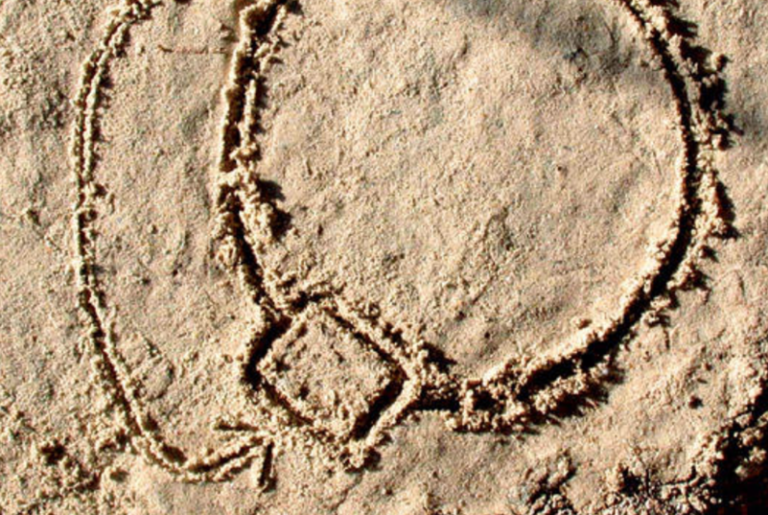
by Christoph — Sixty years ago Jacob, Brenner and Cuzin devised their 'Replicon Model', inspiring and useful guideline for replication research ever since. According to the model, a 'Replicon' is a genetic element replicated from a single 'Replicator' – replication origin, in modern terms – and replication is triggered by a positive trans-acting factor, the 'Initiator'…

by Welkin Johnson — As biologists, we divvy the biological realm up into domains using a formula that frankly, smacks of nepotism, bestowing three glorious domains upon our closest relatives—the Eucaryota, the Archaea, and the Bacteria—while committing an injustice to the so-called viruses, lumping them together in a miscellaneous catch-all category…