
Talmudic Question #112

Many, perhaps most bacteria, divide into daughter cells of almost precisely the same size. Why is that?
Many, perhaps most bacteria, divide into daughter cells of almost precisely the same size. Why is that?

by Elio — In recent years, the use of radioactive isotopes has diminished considerably in microbiological research. What has been lost in the process? A Comment.
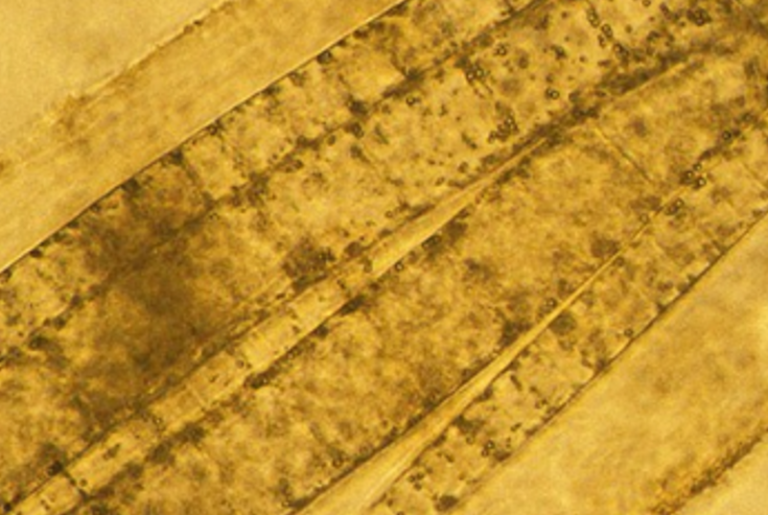
by Elio — The seafloor off the coast of Chile is carpeted with bacterial mats of gigantic proportions. They cover an area as large as that of the state of Alabama. Their total weight is of the order of 100 million tons, which probably makes this the largest single species microbiome on Earth. The mats consist of huge filamentous bacteria of the genus...

by Merry Youle — Troublesome strains of Staphylococcus aureus are often troublesome because they carry genes for superantigens and multiple antibiotic resistance. But don't blame the bacteria. These genes are hitchhikers that arrived by horizontal gene transfer, embedded within mobile pathogenicity islands known as SaPIs. SaPIs are common; all S. aureus strains…
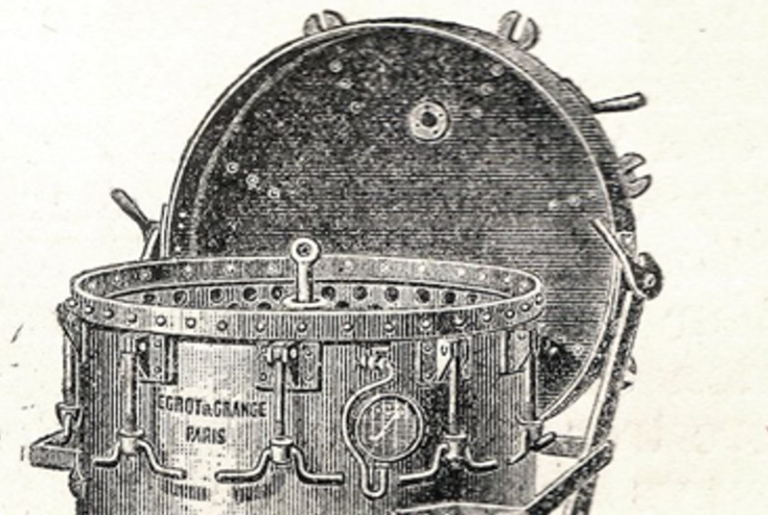
...The Evolution of Sterilization Techniques
by Ananya Sen — The main purpose of disinfection and sterilization, then and now, is to counter the spread of microbes, especially pathogens. Although the causative mechanism of disease progression was unknown, scientists postulated a connection between putrefaction and the dissemination of disease. Therefore, they set out to eliminate the effects of decomposition to reduce...

by Psi Wavefunction — Reading phylogenies is a skill that can appear deceptively simple at first glance. In essence, it really is simple, but also counterintuitive to the way the mind is used to working. Far too often – and popular literature as well as science journalism is notorious for this – mistakes are made, mistakes as...

Talmudic Question #207 How come the smallest cells of a given bacterial species are also the ones with the slowest growth rate?