Fine Read­ing: Metage­nomics

by Elio

Noth­ing like be­ing lazy on a nice Au­tumn week­end. If you are so in­clined, and yet you are won­der­ing about meta­gen­omics and specif­i­cally about what it has done for our un­der­stand­ing of the mi­cro­bial world, here's a sat­is­fy­ing piece by Hugen­holtz and Tyson. For those who can't wait to read it, here are some of the main con­clu­sions.

Foto by echer­ries

Among other things, mi­cro­bial metage­nomics:

  • re­veals nat­ural com­mu­ni­ties in their rich­ness and com­plex­ity. Metage­nomics can not only iden­tify the prin­ci­pal part­ners of a mi­cro­bial con­sor­tium but also many of their meta­bolic ca­pa­bil­i­ties.
  • has great po­ten­tial for stum­bling across novel find­ings, some of which have sig­nif­i­cantly al­tered our view of global processes. One ex­am­ple is pro­te­orhodopsin, the light-dri­ven pro­ton pump, dis­cov­ered to be abun­dant in mi­crobes in ma­rine habi­tats where there is light.
  • is able to re­con­struct whole genomes, though cur­rently only for prokary­otes, and it works best in sim­ple com­mu­ni­ties with a dom­i­nant species.
  • tells us about the vari­a­tion in nat­ural pop­u­la­tions, thus pro­vid­ing in­sight into the evo­lu­tion­ary processes that have shaped those genomes. For ex­am­ple, in the most abun­dant pho­to­syn­the­sizer in oceans, Prochloro­coc­cus, great­est vari­a­tion is seen in ge­nomic is­lands, likely re­sult­ing from virus-as­sisted lat­eral trans­fers.
  • demon­strates that we have scarcely be­gun to dis­cover the di­ver­sity that is out there.

But there are lim­i­ta­tions. As se­quenc­ing costs drop, the amass­ing of huge num­bers of se­quences is out­strip­ping com­pu­ta­tional ca­pac­ity. Eu­kary­ote genomes are still to be avoided. And if you dream of do­ing com­par­isons of every se­quence against every se­quence, you'll likely have to wait for a new gen­er­a­tion of com­put­ers. Nice to know that the bot­tle­neck is not with mi­cro­bi­ol­ogy, but in some­body else's baili­wick, in­stead.


Other Posts

  • Strep­to­myces spores tak­ing a ride...

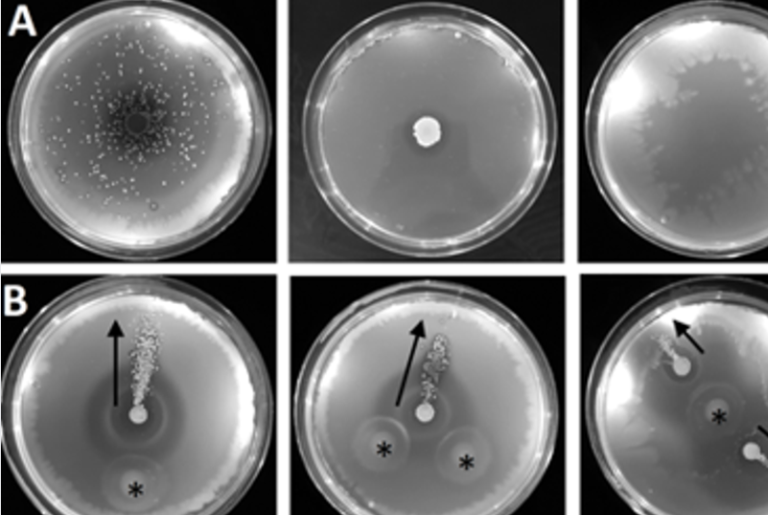
    by Christoph — Strep­to­mycetes, these non-motile Acti­nobac­te­ria that are ca­pa­ble of mycelial growth much like fungi, are quite in­ven­tive when it comes to the dis­tri­b­u­tion of their spores. They don't just rely on en­chant­ing scents like geosmin that they emit to at­tract spring­tails, which trans­port their spores over long dis­tances (see Roberto's re­cent post). They also rou­tinely em­ploy bac­te­r­ial trans­port work­ers.

  • Of Terms in Bi­ol­ogy: Metage­nomic Bin­ning

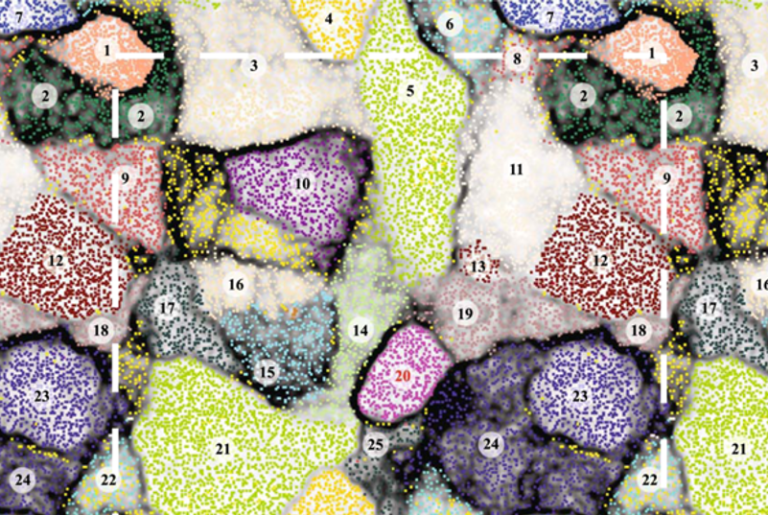
    by Christoph Weigel — Summer's al­most gone. Imag­ine you're strolling along the shores of a lake en­joy­ing nature's col­ors dur­ing sun­set. Sparkle catches your eyes where the lake lan­guidly laps against the shore. You start pon­der­ing whether mi­crobes – and if so which ones, and how many dif­fer­ent – cause these glis­ten­ing, some­what slimy foam flakes at the shore. Sure enough, you take sam­ples!

  • Stalk­ing Caulobac­ter

    by Christoph — When it comes to cel­lu­lar dif­fer­en­ti­a­tion in bac­te­ria, two model sys­tems stand out in my mind: sporu­la­tion in Bacil­lus sub­tilis and the two dif­fer­ent cell mor­pholo­gies in Caulobac­ter cres­cen­tus. Both sys­tems have in com­mon that dra­matic changes in cell mor­phol­ogy, are eas­ily ob­served in the mi­cro­scope. In the case of B. sub­tilis spore for­ma­tion, a num­ber of stress sig­nals can de­rail the cell from its de­fault cell cy­cle...

  • Rolling-Cir­cle Repli­ca­tion

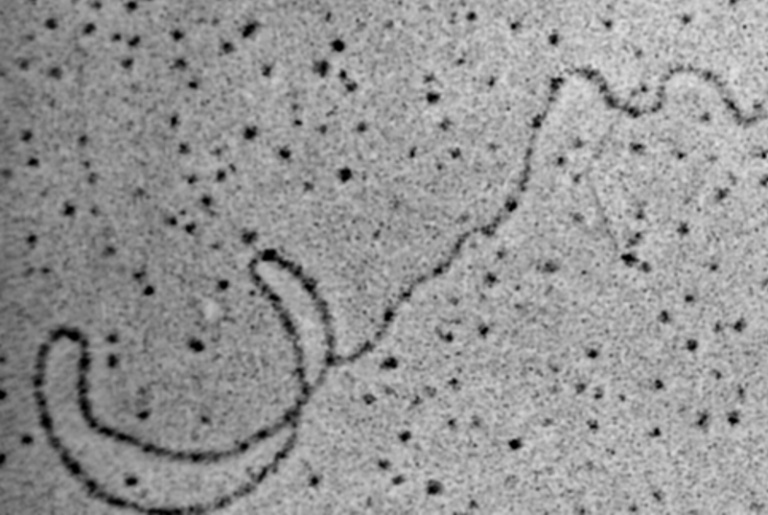
    Pic­tures Con­sid­ered #26 by Christoph — In the late 1960s, read­ers of struc­tural bi­ol­ogy pa­pers were fre­quently con­fronted with (and con­fused by) elec­tron mi­cro­graphs of heav­ily in­ter­twined DNA mol­e­cules that re­sem­bled a hope­lessly tan­gled ball of wool. They were re­ally hard to "read" even for ex­perts, and pic­tures as the one con­sid­ered here were no­table ex­cep­tions...

1 Comment
Oldest
Newest Most Voted
18 years ago

Once again, a great pa­per and post use­ful to my mi­cro­bi­ol­ogy stu­dents. Re­ally good mini-re­view, and very ac­ces­si­ble to un­der­grad­u­ates! Many thanks....