Lud­dites, Re­joice!

by Elio

Those who are un­der­whelmed by mod­ern tech­nol­ogy do not stand alone. A fun­gus made an "in­destructible" CD in­op­er­a­ble by grow­ing on its edge, de­vour­ing alu­minum and poly­car­bon­ate, and mak­ing short shrift of the "in­for­ma­tion pits," what­ever they are. This par­tic­u­lar CD had resided in Be­lize un­der con­di­tions of high hu­mid­ity and tem­per­a­ture – "ex­treme weather con­di­tions" ac­cording to the in­ven­tor of the CD. But with global warm­ing, who knows! Leav­ing aside fur­ther temp­ta­tion to dwell on the frail­ties of mod­ern tech­nol­ogy, the mi­cro­bi­ol­ogy here is not with­out in­ter­est.

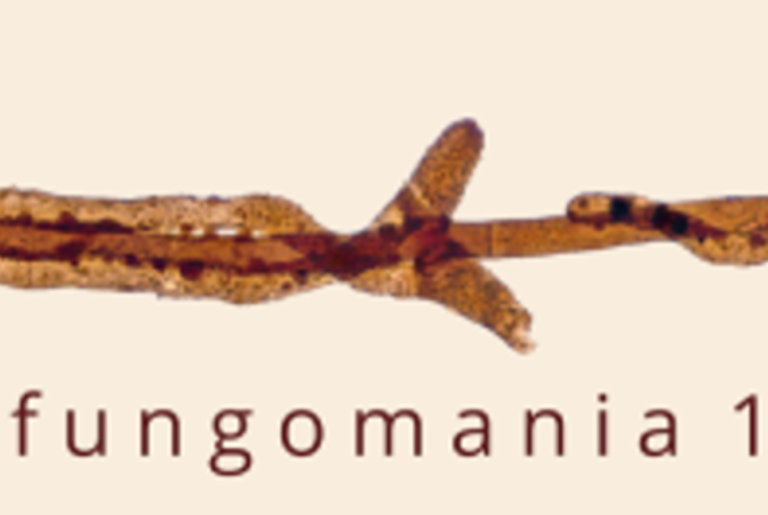
Ge­ot­richum can­didum. Source

The fun­gus is a kin of Ge­ot­richum, a com­mon yeast found in the air, in soil, in the hu­man body and in dairy prod­ucts. The abil­ity of fungi to grow un­der con­di­tions of very low humi­dity re­minds us that they vie with bac­te­ria for a po­si­tion of promi­nence in the world of extremo­philes. But high tem­per­a­ture may or may not have been a fac­tor in CD-pha­gia, as most Ge­ot­richum strains pre­fer 25° for growth.

Here's an­other link to a ver­sion of the story in the British news­pa­per, The Tele­graph. For a photo of the "indestruc­tible" CD, click here.

From Lon­don, a reader of this blog sent us the im­ages be­low doc­u­ment­ing the re­sult of fun­gal in­va­sion of his prized CD col­lec­tion.


Other Posts

  • Fungi, The Tillers

    by Elio — "The fos­sil record of life's ear­li­est steps onto land is pro­foundly in­com­plete." So starts a pa­per by Cam­bridge University's Mar­tin Smith that helps shed light on this mo­men­tous hap­pen­ing. The climb ashore took place about 500 mil­lion years ago, give or take (no one seems to be quite sure of the date). These suc­cess­ful ad­ven­tur­ers were plants, but still far from the highly-evolved plants...

  • Three to Tango

    by Elio — How many sym­bioses that in­volve three part­ners can you think of? Surely, not many. But here is one, in­volv­ing a path­o­genic fun­gus, a bac­terium, and a fun­gal virus.

  • A Mi­cro­bial Liver

    by Elio — Best I can tell, the ma­rine flat­worms Para­catenula sug­gest a novel twist on sym­bio­sis. Here, sym­bi­otic bac­te­ria do not just pro­vide car­bon com­pounds for their host but ac­tu­ally store them. And they do that also for en­ergy...

  • A Snip­pet: How Do Long Bac­te­ria Snip Apart?

    by Elio — Surely there are lim­its to the size and phys­i­ol­ogy of bac­te­r­ial cells. They can only get to be so big or so small, so full of ri­bo­somes or so de­pleted of them, so fast or so ex­tremely slow in their growth. Add an­other one to this list: are there lim­its to how pre­cisely bac­te­ria po­si­tion their di­vi­sion site? What brings this up is that many of the bac­te­ria en­coun­tered in...

  • Di­a­zo­ma­nia I – A Bird's‑Eye View of the Ni­tro­gen Cy­cle

    by Roberto — Here's a good way to get friends or re­la­tiv­es in­ter­est­ed in mi­cro­bio­lo­gy – if they aren't al­ready. Tell them to take a deep breath and to let it out. Then ask them these ques­tions: "Mostly, what went into your lungs?", and "What hap­pened to it while in your lungs?" Re­gard­less of...

  • Of Terms in Bi­ol­ogy: Edaphon

    by Roberto — Soil, the ma­te­r­ial on the sur­face of the ground on which plants grow, is it­self teem­ing with life. And there's a term that uni­fies all that life as an in­ter­con­nected whole: edaphon. Though it is sel­dom found in the sci­en­tific lit­er­a­ture, I will ar­gue that it should be more widely taught and used.

1 Comment
Oldest
Newest Most Voted
J Dubz
19 years ago

Be­tween 2000 and 2002 I had a num­ber of CDs de­stroyed by what I think might be the Ge­ot­richum fun­gus. I how­ever do not live in a Be­lize rain­for­est, I live in a flat in Lon­don, Eng­land.
I want to show you a pic­ture of this so let me know how to get it to you..